
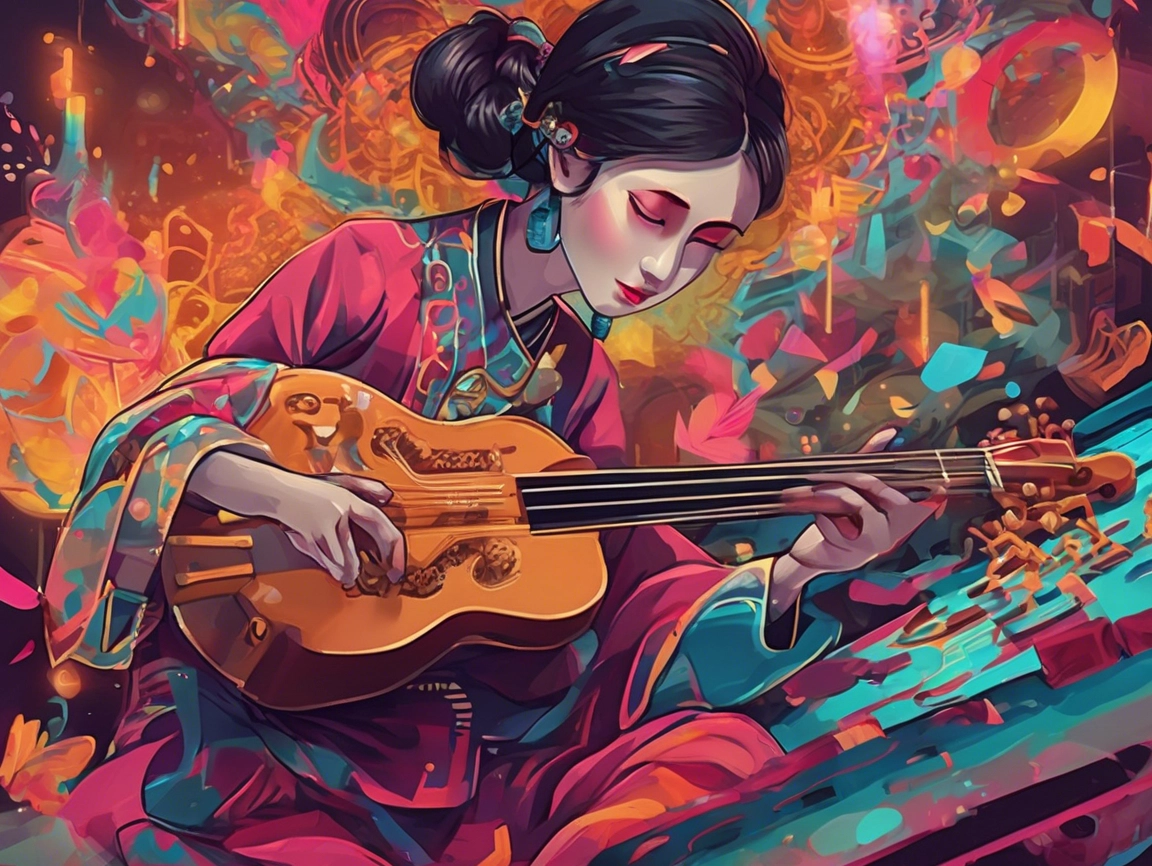
Visual & Performing Arts and the AI Advantage: Creating in the Age of Artificial Intelligence

September 3, 2025
Introduction
Art has always been about imagination, emotion, and creativity. Whether it’s painting, music, dance, theater, or design, the visual and performing arts express what it means to be human. But in today’s world, creativity has a new collaborator: artificial intelligence (AI).
For students majoring in fine arts, music, theater, fashion, or design, AI may feel like an outsider to your field. But the truth is, AI is already transforming how artists create, how audiences engage, and how art is shared with the world. By learning AI as a supplement to your degree, you won’t just protect your artistic career—you’ll expand it in ways previous generations could only dream of.
How AI is Transforming the Arts
AI isn’t here to replace creativity—it’s here to expand it. Across industries, artists are using AI as a tool, collaborator, and amplifier. Here’s how:
- Generative Art & Design
- AI models like DALL·E, MidJourney, and Stable Diffusion create images from text prompts.
- Designers use AI to brainstorm, generate variations, and speed up creative workflows.
- Music & Sound Engineering
- AI tools like AIVA and Amper compose original music.
- Sound engineers use AI to clean audio, mix tracks, and replicate instruments.
- Film, Theater & Animation
- AI helps automate video editing, generate visual effects, and even write scripts.
- Theater productions experiment with AI-driven stage design and lighting.
- Fashion & Creative Industries
- Fashion designers use AI to predict style trends and generate new clothing patterns.
- Brands use AI to create personalized shopping experiences.
Real-World Use Cases of AI in Visual & Performing Arts
AI has already made a splash in the creative industries. Here are some real-world examples:
- Music: Pop stars and film composers use AI to generate melodies or orchestral arrangements that they refine into finished works.
- Art Galleries: Exhibitions now feature AI-generated artwork, challenging definitions of creativity and authorship.
- Film & Animation: Pixar and Marvel Studios use AI-assisted tools for rendering, CGI, and scene optimization.
- Theater: Directors experiment with AI-powered projections that adapt in real time to actors’ performances.
- Design: Graphic designers use AI to produce logos, layouts, and ad concepts in minutes instead of weeks.
Student Roadmap: How to Learn AI as a Visual or Performing Arts Major
You don’t need to become a coder—you need to learn how to make AI your creative partner. Here’s a roadmap:
- Explore Generative AI Tools
- Experiment with DALL·E, MidJourney, or Runway ML for image and video creation.
- Use tools like Soundraw or AIVA to generate music and test compositions.
- Learn Digital Art & Media Basics
- Take classes in Adobe Creative Cloud (Photoshop, Illustrator, Premiere Pro).
- Explore AI plugins that integrate directly with these platforms.
- Blend AI into Your Projects
- For visual arts: create AI-assisted pieces and showcase them in digital portfolios.
- For music: compose hybrid tracks using AI-generated instruments.
- For theater: experiment with AI-driven set designs or projections.
- Practice Data-Driven Creativity
- Analyze audience engagement data (Spotify streams, YouTube analytics, Instagram trends).
- Use AI to predict which creative projects resonate most with audiences.
- Internships & Experience
- Join creative agencies, media companies, or design studios experimenting with AI.
- Offer to help student organizations or theater groups integrate AI into performances.
- Stay Ethical & Authentic
- Understand debates around ownership of AI-generated work.
- Use AI responsibly—your creative voice is still at the center.
Why AI Will 10x Your Career in the Arts
Adding AI to your artistic practice won’t make you less creative—it will make you unstoppable. Here’s why:
- Expand Your Tools: You’ll create faster, explore more styles, and push boundaries of what’s possible.
- Stand Out: Employers and clients love artists who embrace innovation and can work with modern tools.
- Reach Bigger Audiences: AI-driven analytics help you understand and connect with your fans.
- Cross Boundaries: With AI, you can move between industries—design, music, film, advertising—more easily.
- Future-Proof Your Career: As creative industries evolve, artists who adapt will thrive, while others risk falling behind.
Conclusion
The arts have always evolved with technology: photography, film, digital editing, and now AI. Just like the camera didn’t kill painting, AI won’t kill creativity—it will expand it. As a student of the visual or performing arts, learning AI now ensures you’re part of the movement shaping the future of culture.
Start experimenting: try AI tools, blend them with your practice, and build a portfolio that shows you’re both creative and innovative. By graduation, you won’t just be an artist—you’ll be an artist who knows how to harness artificial intelligence to reach new heights.
That’s the DegreePlus.AI advantage: where creativity meets technology, and where your art becomes limitless.